
The Chinese New Year is a vibrant celebration steeped in tradition, marking the arrival of spring and new beginnings. In 1995, the festivities welcomed the Year of the Pig, a symbol of wealth, prosperity, and good fortune. Those born under this sign are often seen as generous, compassionate, and diligent, embodying the spirit of abundance.
As the lunar calendar dictates, each year brings a unique animal, influencing the characteristics and fortunes of individuals born during that time. The Pig, specifically, is known for its sociable nature and strong sense of responsibility. Understanding the traits associated with this zodiac sign can offer valuable insights into one’s personality and life path, making it a fascinating topic for both enthusiasts and newcomers alike.
Overview of the 1995 Chinese New Year
The 1995 Chinese New Year marked the transition into the Year of the Pig, specifically from January 31 to February 18. This celebration, rooted in traditions, symbolizes wealth, prosperity, and good fortune. Communities across the world engaged in festivities that included family gatherings, special meals, and various cultural performances.
Individuals born in 1995 belong to the Pig zodiac sign. Pigs are seen as generous and compassionate, often characterized by their diligence and strong sense of responsibility. These traits align with the Pig’s association with diligence and hard work, which can lead to success.
The lunar calendar, which dictates the timing of the Chinese New Year, plays a crucial role in shaping the personal characteristics linked to the Pig. People recognize that the Pig’s influence extends to social relationships and professional endeavors, underscoring the significance of zodiac signs within Chinese culture.
Significance of the Chinese Zodiac
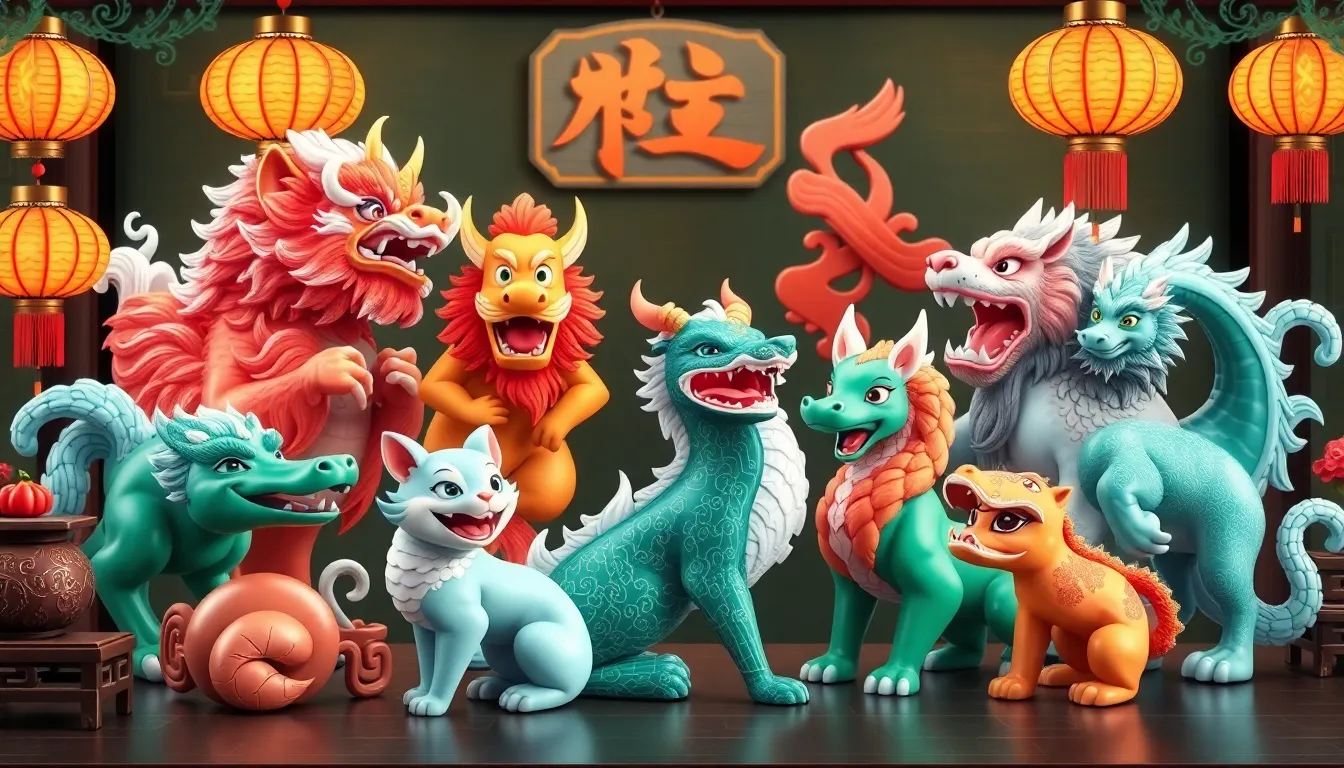
The Chinese Zodiac holds substantial importance in Chinese culture, guiding beliefs and practices over centuries. Each zodiac sign reflects specific characteristics and influences individuals’ personalities and destinies.
The Twelve Animals of the Zodiac
The Chinese Zodiac comprises twelve animals, each representing distinct traits. The animals, in order, are:
- Rat – Intelligent, adaptable, and charismatic.
- Ox – Diligent, determined, and reliable.
- Tiger – Brave, competitive, and unpredictable.
- Rabbit – Gentle, quiet, and compassionate.
- Dragon – Confident, ambitious, and energetic.
- Snake – Wise, mysterious, and intuitive.
- Horse – Energetic, free-spirited, and hard-working.
- Goat – Creative, calm, and gentle.
- Monkey – Clever, amusing, and curious.
- Rooster – Observant, hardworking, and confident.
- Dog – Loyal, honest, and reliable.
- Pig – Generous, compassionate, and diligent.
Each animal’s personality traits influence the life paths of those born under their sign, shaping their interactions and relationships.
The Role of Elemental Associations
Each zodiac animal pairs with one of the five elemental associations: Wood, Fire, Earth, Metal, and Water. These elements influence the attributes of the corresponding zodiac sign further.
- Wood – Symbolizes growth and flexibility, enhancing creativity.
- Fire – Represents passion and dynamic energy, fostering ambition.
- Earth – Signifies stability and reliability, encouraging practicality.
- Metal – Denotes strength and resilience, promoting determination.
- Water – Reflects adaptability and fluidity, enhancing intuition.
The elemental associations combine with the animal traits to create a unique personality profile for each individual. Understanding these interactions enriches one’s appreciation for the complexities of the Chinese Zodiac.
The Year of the Pig
The Year of the Pig, celebrated in 1995, holds a significant place in the Chinese Zodiac. It embodies qualities that individuals and communities cherish, such as generosity and good fortune.
Characteristics of the Pig
Pigs represent wealth, prosperity, and good fortune. They tend to be social and easygoing, often enjoying the company of others. Their nature encourages harmony and cooperation, making them valued members within families and communities. In the context of the Chinese Zodiac, Pigs are considered lucky animals, attracting positive energy and opportunities.
Traits Associated with People Born in the Year of the Pig
Individuals born in the Year of the Pig exhibit distinct personality traits. Common attributes include:
- Compassionate: They possess a strong sense of empathy, often caring for others deeply.
- Generous: Pigs frequently share wealth and resources with friends and family, reflecting their kind nature.
- Diligent: They work hard and pursue their goals with determination and perseverance.
- Honest: Integrity is prominent in their character, earning them respect in personal and professional relationships.
- Sociable: Pigs enjoy engaging with others, easily forming connections and friendships.
Personality traits of Pigs significantly influence their relationships, enhancing social interactions and fostering trust.
Cultural Celebrations in 1995
During 1995, the celebrations of the Chinese New Year featured traditional customs and a mixture of modern influences, enhancing communities’ cultural vibrancy.
Traditional Festivities
Traditional festivities in 1995 included family reunions, elaborate feasts, and vibrant dragon and lion dances. Families gathered to enjoy special dishes like dumplings, fish, and sticky rice cakes, symbolizing wealth and prosperity. Cleaning houses before the New Year aimed to sweep away bad fortune and welcome good luck. Red decorations adorned homes, while red envelopes filled with money were given as gifts, promoting prosperity and happiness. Fireworks lit up the skies to ward off evil spirits, fulfilling ancient customs observed for centuries.
Changes in Celebration Trends
Changes in celebration trends in 1995 reflected an increasing openness to globalization. Urban areas saw more diverse cultural events and activities, merging traditional Chinese practices with influences from different cultural backgrounds. This year also marked a rise in organized public celebrations, drawing larger crowds and fostering community spirit. The usage of technology in festivities became more evident, with digital greetings and online platforms aiding in connecting families worldwide. This blending of innovation with tradition demonstrated the evolving nature of Chinese New Year celebrations while preserving essential cultural values.
The Year of the Pig in 1995 served as a vibrant reminder of the values embedded in Chinese culture. Its symbolism of wealth and prosperity resonated through family gatherings and festive celebrations. Individuals born under this sign continue to embody traits that foster strong relationships and community bonds.
As traditions blend with modern influences, the essence of the Chinese New Year remains intact. The significance of the Pig and its associated customs continue to inspire joy and unity, showcasing the enduring spirit of this cherished festival. Embracing these values ensures that the legacy of the Year of the Pig will thrive for generations to come.