
The GBP to USD exchange rate is a crucial indicator for traders, investors, and travelers alike. As the British pound and the US dollar are two of the world’s most traded currencies, fluctuations in their exchange rate can significantly impact financial markets and personal finances. Understanding this dynamic is essential for anyone looking to navigate the complexities of international finance.
Recent economic events, geopolitical tensions, and central bank policies have all influenced the GBP to USD exchange rate. Staying informed about these factors can help individuals and businesses make smarter decisions regarding currency conversion and investments. Whether planning a trip to the UK or investing in foreign markets, grasping the nuances of this exchange rate can lead to better financial outcomes.
Overview of GBP to USD Exchange Rate
The GBP to USD exchange rate indicates how many US dollars one British pound can buy. This exchange rate is crucial for traders, investors, and travelers who engage in cross-border transactions. A stronger pound denotes higher purchasing power against the dollar, while a weaker pound results in lower purchasing power.
Several factors impact the GBP to USD exchange rate. Economic indicators like GDP growth, inflation rates, and employment statistics play significant roles. Additionally, central bank policies, such as interest rate changes by the Bank of England or the Federal Reserve, can influence market perceptions and investor confidence.
Recent geopolitical events can also sway the exchange rate. Uncertainties around Brexit negotiations and international trade agreements affect investor sentiment and market volatility. As these variables change, they create fluctuations in the GBP to USD exchange rate.
For those considering currency conversion, monitoring these factors is vital. Understanding trends in the exchange rate helps in making informed financial decisions, whether for travel expenses or investment strategies. Regularly checking reliable financial news sources and utilizing currency conversion tools enhances one’s awareness of the current market dynamics.
Historical Trends
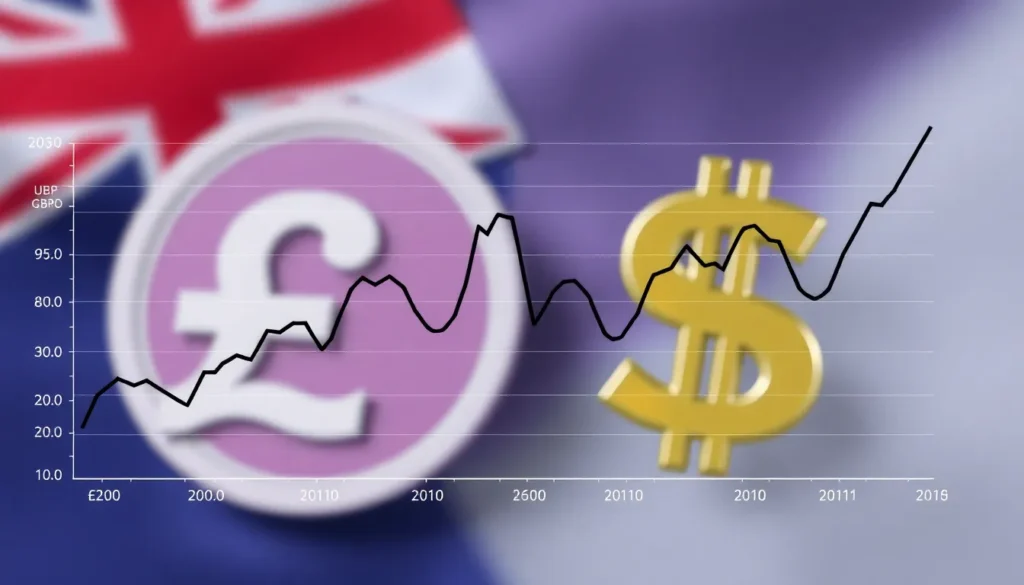
Examining historical trends offers insights into the GBP to USD exchange rate, revealing patterns shaped by economic events and market sentiments.
Major Events Impacting Exchange Rates
Significant events have historically influenced the GBP to USD exchange rate, resulting in rapid fluctuations. Key occurrences include:
- Brexit Referendum (2016): The UK’s decision to leave the EU caused immediate volatility, leading to a sharp decline in the value of the pound against the dollar.
- COVID-19 Pandemic (2020): The global health crisis triggered economic downturns, impacting currency values. The pound faced pressure as the UK imposed severe lockdowns.
- Bank of England Policy Changes: Adjustments in interest rates and quantitative easing measures by the Bank of England have directly affected the exchange rate. For example, rate cuts aimed at stimulating the economy typically result in depreciation of the pound.
These events illustrate how geopolitical and economic factors can create sudden shifts in exchange rates.
Long-Term Trends Analysis
Long-term trends in the GBP to USD exchange rate showcase a pattern of gradual appreciation and depreciation influenced by various factors:
- Economic Indicators: Over the last two decades, data show that consistent GDP growth in the UK correlates with stronger GBP values. Conversely, periods of recession lead to depreciation.
- Central Bank Policies: Extended periods of low interest rates from the Bank of England compared to its US counterpart have historically weakened the pound.
- Inflation Rates: Fluctuations in inflation influence purchasing power. Higher inflation in the UK compared to the US typically leads to a weaker pound.
These elements, along with ongoing political developments and global economic conditions, have created distinct long-term trends, reflecting the dynamic nature of the currency exchange landscape.
Current Market Analysis
The GBP to USD exchange rate influences global financial markets. Recent events affect this critical indicator, making it essential for actors in the currency market to stay updated.
Recent Developments
Recent political and economic events significantly impact the GBP to USD exchange rate. As of late 2023, ongoing tensions in global trade continue to affect investor sentiment. The Bank of England’s recent interest rate hikes indicate a response to rising inflation, strengthening the pound against the dollar. Conversely, the Federal Reserve’s policies aimed at economic stabilization have also affected USD strength. Analysts note that developments surrounding the UK’s post-Brexit trade agreements play a pivotal role in market perceptions, thus influencing exchange rates.
Economic Indicators Affecting the Rate
Several economic indicators directly influence the GBP to USD exchange rate. These include:
- GDP Growth: Strong economic performance in the UK, reflected in GDP growth rates, usually strengthens the pound.
- Inflation Rates: High inflation in the UK compared to the US often leads to a weaker pound, while controlled inflation tends to support currency strength.
- Employment Statistics: Lower unemployment rates in the UK contribute positively to the pound’s value, signaling economic stability.
- Interest Rates: Adjustments in interest rates by the Bank of England and the Federal Reserve create disparities that directly affect currency values. Higher rates generally increase currency attractiveness to investors.
- Consumer Confidence: Surveys indicating consumer sentiment can predict spending patterns, influencing overall economic health and currency strength.
Monitoring these indicators provides insights into potential shifts in the GBP to USD exchange rate, helping investors and travelers make informed decisions.
Future Outlook
The future outlook for the GBP to USD exchange rate remains influenced by various economic and geopolitical dynamics. Traders and investors should consider several factors that may affect currency values moving forward.
Predictions and Projections
Analysts predict potential volatility in the GBP to USD exchange rate, driven by anticipated economic reports and central bank actions. Short-term projections indicate fluctuations may occur, particularly as the Bank of England continues to adjust interest rates in response to inflation pressures. For instance, if inflation remains elevated, further rate hikes could bolster the pound against the dollar. Conversely, if signs of economic slowdown emerge, the pound may weaken. Market forecasts suggest that the exchange rate might hover within a range of 1.30 to 1.40 USD per GBP over the next year, contingent on economic performance and external factors.
Expert Opinions
Financial experts emphasize the significance of ongoing monitoring of economic indicators. They highlight that unexpected changes in unemployment figures or GDP growth rates can lead to rapid shifts in the GBP to USD exchange rate. Experts also caution that geopolitical risks, particularly those related to trade agreements and political stability, could influence market sentiment. As a result, keeping abreast of expert insights and analyses can provide traders and investors with critical information when assessing future movements in the currency pair.
The GBP to USD exchange rate remains a crucial element for anyone involved in international finance. Understanding its fluctuations can lead to more strategic decisions regarding investments and currency conversions. As economic indicators and geopolitical events continue to shape this exchange rate, staying informed is essential.
The outlook suggests potential volatility in the near future, driven by ongoing economic developments and central bank actions. By keeping an eye on key factors such as GDP growth and inflation, individuals can navigate the complexities of currency exchange more effectively. Whether for travel or investment, awareness of market dynamics can significantly enhance financial outcomes.