
Traveling between the US and Canada often raises questions about electrical compatibility. With both countries sharing a long border and similar lifestyles, many wonder if their devices will work seamlessly in either location. Understanding the nuances of plug outlets can save travelers time and frustration.
In general, Canada and the US use the same type of electrical outlets, which are Type A and Type B. This means that most American devices can plug directly into Canadian sockets without the need for adapters. However, there are still some important considerations to keep in mind when it comes to voltage and frequency. Knowing these details can help ensure a hassle-free experience for anyone crossing the border.
Overview of Canada and US Plug Outlets
Canada and the US share similar electrical standards, primarily using Type A and Type B plug outlets. Type A plugs feature two flat parallel pins, while Type B plugs include an additional round grounding pin. This shared design facilitates the use of most American devices in Canada without requiring an adapter.
Both countries operate on a voltage of 120V and a frequency of 60Hz, making their electrical systems compatible. Travelers moving between Canada and the US can typically use their devices seamlessly. It’s essential to ensure the device’s wattage aligns with local limits, as some high-powered appliances may require additional considerations.
The electrical infrastructure in Canada closely mirrors that of the US, reducing travel hassle for devices designed for North American use. Understanding the plug types and electrical specifications ensures a smooth experience when switching between these neighboring countries.
Types of Plugs and Sockets
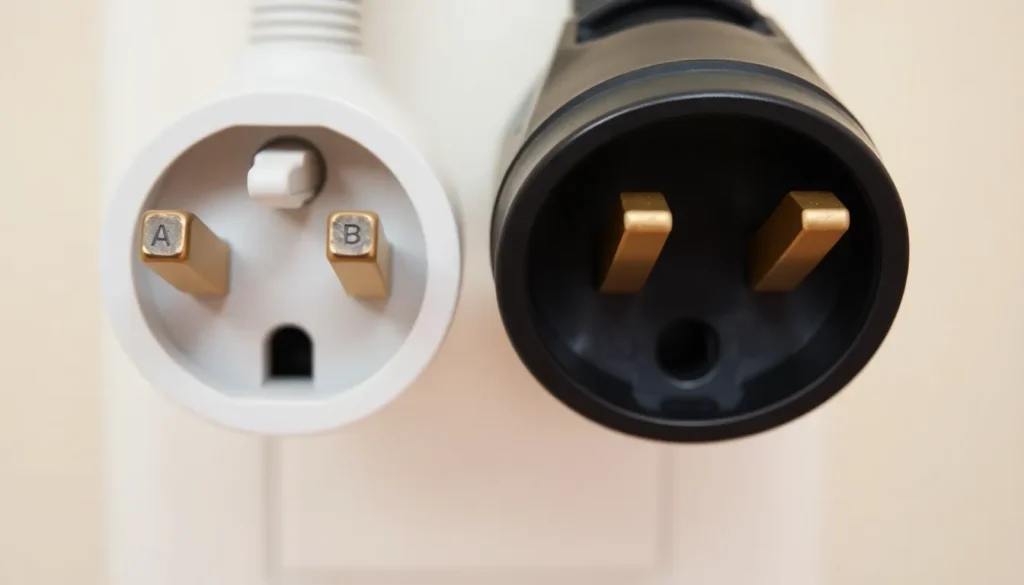
Canada and the US utilize similar types of plugs and sockets, primarily designed for convenience and compatibility. Understanding these variations ensures seamless usage of electrical devices between the two countries.
NEMA 1 and NEMA 5
NEMA 1 refers to the Type A plug, featuring two flat parallel pins. NEMA 5 corresponds to the Type B plug, which includes two flat parallel pins and a ground pin. Both NEMA types cater to North American electrical standards, with Type A accommodating devices that do not require grounding and Type B providing added safety for higher-powered appliances. These configurations facilitate the direct compatibility of devices across the border.
Plug Compatibility
Plug compatibility between Canada and the US is straightforward due to the shared NEMA configurations. Devices equipped with Type A and Type B plugs function without the need for adaptors, allowing users to connect their appliances directly. Voltage consistency at 120V and frequency at 60Hz enhance compatibility, simplifying the power supply across both countries. Travelers can plug in their devices with confidence, provided that the wattage does not exceed local limits.
Voltage and Frequency Differences
Voltage and frequency play vital roles in electrical compatibility between Canada and the US. Both countries operate on a standard voltage of 120V and a frequency of 60Hz, ensuring that devices function properly without modifications. This similarity simplifies the use of American appliances in Canada and vice versa.
Voltage is the electric potential difference that drives current through devices. The 120V standard allows most household appliances to operate effectively, as both countries design their devices to accommodate this voltage.
Frequency, measured in hertz (Hz), indicates how often the current changes direction per second. The 60Hz frequency in both countries means that devices designed for either market can run without issues.
Most travelers can utilize their devices seamlessly across the border. However, it’s essential to verify each device’s wattage compatibility with local limits. Particularly, high-powered appliances may require different considerations or converters to ensure safe usage. Understanding these electrical specifications facilitates a smooth travel experience while minimizing the risk of device malfunction.
Traveling Between Canada and the US
Traveling between Canada and the US presents little challenge regarding electrical compatibility. Both countries utilize the same type of plug outlets, ensuring easy device use for travelers.
What to Expect
Travelers can expect seamless operation of most devices, given the shared electrical standards. Type A and Type B outlets, found in both countries, accommodate American devices without the need for additional adapters. Voltage remains consistent at 120V, and the frequency of 60Hz ensures compatibility for electronics. Travelers should verify that their device’s wattage aligns with local limits to prevent potential issues, particularly for high-powered appliances.
Adapters and Converters
Adapters aren’t necessary for standard devices, as Type A and Type B plugs fit directly into Canadian outlets. High-powered devices, such as some hairdryers or kitchen appliances, might require converters if their wattage exceeds the local limits. Checking compatibility before traveling helps avoid inconveniences. For most users, however, the shared infrastructure simplifies the travel experience, ensuring smooth operation of electronic devices across the border.
Traveling between Canada and the US is hassle-free when it comes to electrical compatibility. With both countries utilizing the same plug types and voltage standards most devices function seamlessly across the border. While standard devices can be used without adapters travelers should remain mindful of wattage limits for high-powered appliances. By understanding these key electrical specifications users can enjoy a smooth experience without the worry of device malfunction. This shared infrastructure not only simplifies travel but also enhances convenience for those moving between these two North American nations.