
As the leaves begin to change and fall settles in, many people start to wonder about the upcoming time change. In 2024, the transition from Daylight Saving Time back to Standard Time will have a significant impact on daily routines. Knowing when clocks go back can help individuals prepare for the shorter days and longer nights ahead.
On November 3, 2024, at 2 AM local time, clocks will fall back one hour, marking the end of Daylight Saving Time. This shift not only affects sleep schedules but also influences various aspects of life, from energy consumption to outdoor activities. Understanding the timing of this change can make the adjustment smoother for everyone.
Understanding Daylight Saving Time
Daylight Saving Time (DST) plays a crucial role in regulating time changes throughout the year. Clocks spring forward in spring and fall back in autumn, affecting many aspects of daily life.
What Is Daylight Saving Time?
Daylight Saving Time involves adjusting clocks to extend evening daylight during warmer months. Typically, clocks move forward one hour in March and revert one hour in November. The primary goal is to make better use of natural daylight, which can reduce energy consumption and promote outdoor activities in the evening.
History of Daylight Saving Time
Daylight Saving Time first appeared during World War I as a measure to conserve fuel. Germany led the initiative in 1916, followed by the United Kingdom and other countries. After a decline post-war, DST resurfaced during World War II for similar reasons. In the US, the Uniform Time Act of 1966 standardized the practice, allowing states to observe DST or opt-out. Over time, several revisions and local adjustments shaped its current implementation.
When Do Clocks Go Back in 2024?
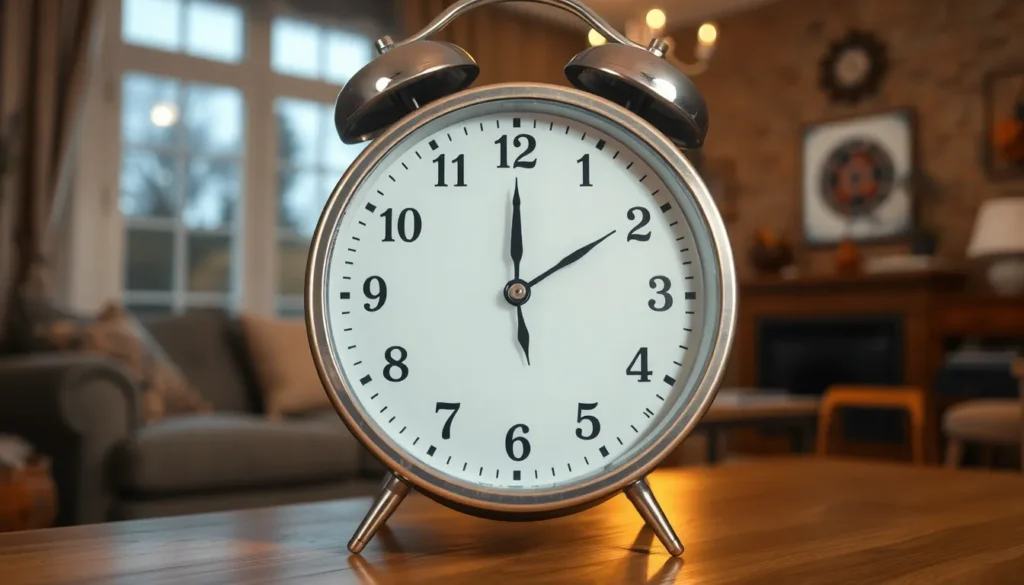
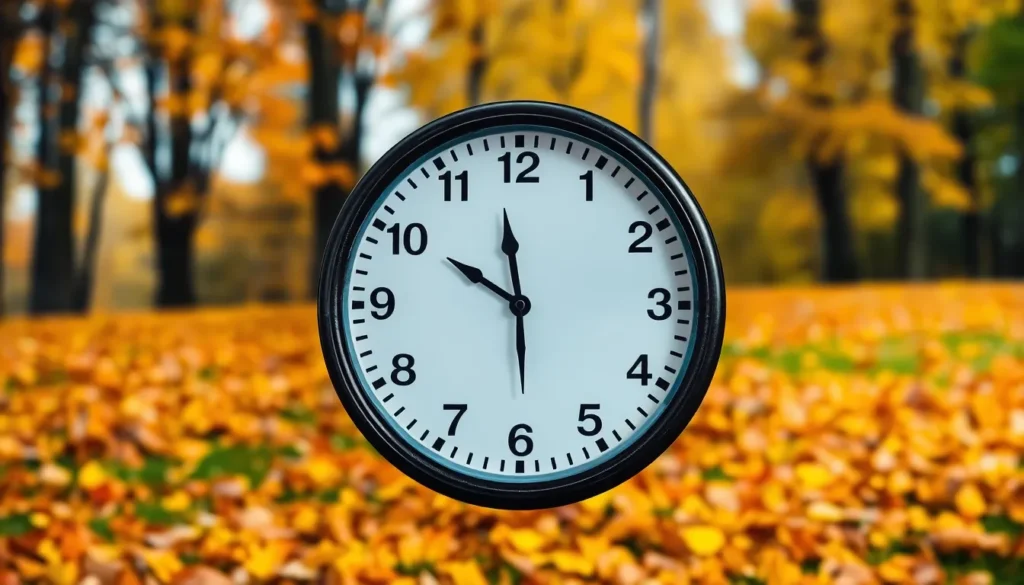
Clocks will go back one hour in 2024 on November 3 at 2 AM local time. This transition marks the end of Daylight Saving Time and the return to Standard Time.
Dates to Remember
- November 3, 2024: Clocks fall back one hour at 2 AM.
- March 10, 2025: Daylight Saving Time resumes, with clocks moving forward one hour at 2 AM.
These key dates help individuals prepare for time changes and adjust their schedules accordingly.
Regional Differences
- United States: Most states observe the time change, with exceptions in Arizona and Hawaii, which do not participate in Daylight Saving Time.
- Europe: In the European Union, clocks revert one hour on the last Sunday in October, aligning with November’s transition in the US.
- Other Regions: Several countries worldwide either observe DST or opt-out; thus, dates for time changes may differ.
Awareness of these regional differences aids in planning travel and communication across time zones.
The Impact of Changing Clocks
Changing clocks affects various aspects of everyday life, including health and the economy. The transition from Daylight Saving Time to Standard Time can lead to notable consequences.
Effects on Health
Adjusting clocks can disrupt sleep patterns, as individuals may experience difficulty falling asleep and waking up. Studies indicate that the one-hour shift can result in sleep deprivation, affecting cognitive function and mood. Health risks also increase; data shows a rise in heart attacks and accidents shortly after the clock change. Awareness and preparation can mitigate these adverse effects through strategies like gradually adjusting sleep schedules before the transition.
Economic Implications
The shift in time affects businesses and consumer behavior. Energy consumption patterns change, as shorter daylight hours can lead to increased use of artificial lighting and heating. Research suggests that retailers may see a change in foot traffic, with some studies indicating reduced sales post-transition. Adjusting schedules responsibly can help stabilize productivity and maintain consumer engagement.
Tips for Adjusting to Time Changes
Adjusting to the time change can enhance comfort and productivity. Implementing a few strategies can ease the transition as clocks fall back.
Preparing for the Transition
- Adjust sleep schedules: Gradually shift bedtime by 15-30 minutes each night before November 3, 2024. This helps the body adapt an hour earlier.
- Limit screen exposure: Reduce usage of electronic devices in the evening. This minimizes blue light influence, promoting better sleep.
- Create a bedtime routine: Establish calming pre-sleep activities, like reading or meditating. Consistency signals the body that it’s time to wind down.
- Use light strategically: Increase exposure to natural light during the day. Bright light during waking hours reinforces alertness and energy.
Maximizing Daylight
- Plan outdoor activities: Schedule tasks that require daylight for earlier in the day. This ensures adequate sunlight for exercise and productivity.
- Utilize reflective surfaces: Position mirrors and light-colored decor to enhance the natural light in indoor spaces. This strategy brightens rooms and improves mood.
- Modify work hours: If possible, adjust work schedules to start earlier. Working with natural daylight boosts morale and efficiency.
- Encourage outdoor breaks: Promote brief outdoor breaks throughout the day. Fresh air and natural light contribute to alertness and overall well-being.