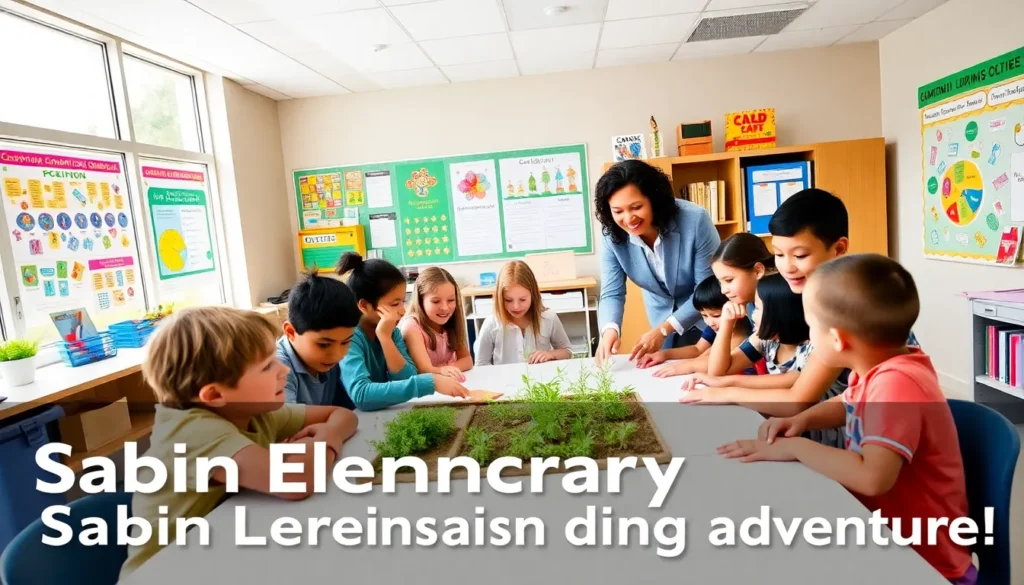
In today’s fast-paced educational environment, effective classroom organization is more crucial than ever. A well-organized classroom not only enhances the learning experience but also fosters a positive atmosphere where students feel empowered and engaged. When everything has its place, teachers can focus more on instruction and less on managing chaos.
Creating an organized classroom involves more than just neat desks and tidy shelves. It requires strategic planning and thoughtful design to ensure that resources are easily accessible and that the layout promotes collaboration and interaction. By implementing effective organizational strategies, educators can transform their classrooms into dynamic spaces that inspire creativity and facilitate learning.
Importance Of Classroom Organization
Classroom organization plays a critical role in maximizing student engagement and overall learning success. A structured environment fosters an atmosphere conducive to growth and collaboration.
Enhancing Learning Outcomes
Effective classroom organization directly impacts learning outcomes. Organized classrooms enable students to access materials and resources quickly. This accessibility minimizes disruptions, allowing students to focus on tasks. Clear layouts promote collaborative activities and student interaction. In well-organized spaces, students participate actively, leading to improved retention of information.
Promoting Positive Behavior
Classroom organization supports positive behavior among students. Clear expectations and structured routines provide a sense of security. When students understand where to find materials and how to engage with the classroom setup, they exhibit less anxiety. This reduces off-task behavior and promotes responsibility. An organized environment encourages respect for shared resources, leading to a harmonious classroom community.
Key Elements Of Effective Classroom Organization
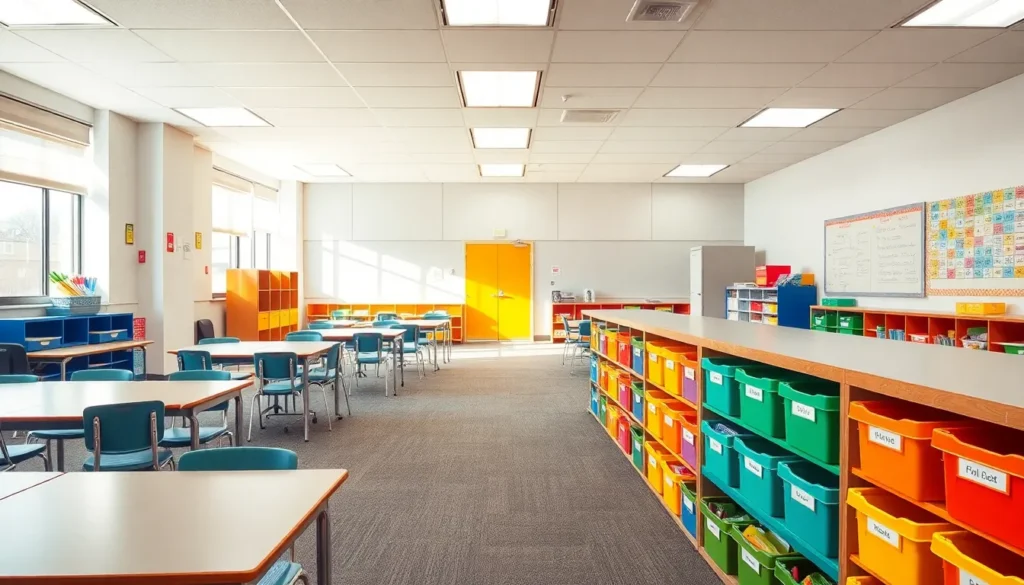
Effective classroom organization relies on key elements that contribute to an engaging learning environment. Focus on the physical layout and resource management to enhance organization and promote student success.
Physical Layout
A well-considered physical layout enhances student interaction and accessibility. Create distinct zones within the classroom, such as individual workspaces, group areas, and resource stations. Position desks in clusters to encourage collaboration, or arrange them in rows for direct instruction. Ensure pathways remain clear for easy movement, minimizing distractions during activities. Maintain low traffic areas for focused tasks, preventing disruptions. Incorporate flexible seating options to adapt to varied learning styles. Prioritize natural light and reduce clutter to create a welcoming atmosphere.
Resource Management
Effective resource management ensures that materials are readily accessible to students. Organize supplies in labeled bins or drawers, making it easy for students to find what they need. Maintain a system for inventory and rotation of resources, ensuring that materials remain current and relevant. Implement digital tools for tracking resources, allowing for efficient sharing and accessibility. Encourage students to take ownership of their materials by assigning responsibilities for maintenance and organization. Periodically review and declutter resources to keep the learning space functional and engaging.
Strategies For Classroom Organization
Effective classroom organization incorporates established routines and the strategic use of tools and technology. These strategies enhance student engagement and streamline daily operations.
Establishing Routines
Establishing clear routines fosters a structured environment, giving students consistent expectations. Incorporating daily activities like morning check-ins, task lists, and classroom responsibilities enhances predictability. Routines should include:
- Arrival Procedures: Set guidelines for entering the classroom, unpacking belongings, and starting the day.
- Transition Protocols: Implement signals for transitions between activities, helping students shift focus smoothly.
- Closing Activities: End each day with a wrap-up session, allowing students to reflect on learning outcomes.
By implementing these practices, educators create a sense of stability that promotes a positive learning atmosphere.
Utilizing Tools And Technology
Utilizing various tools and technology enhances classroom organization and streamlines communication. Digital platforms assist in resource management and student collaboration. Key tools include:
- Classroom Management Software: Use platforms like Google Classroom or ClassDojo for assigning tasks and tracking progress.
- Organizational Apps: Implement apps such as Trello or Evernote to help students stay organized with assignments and external resources.
- Interactive Displays: Utilize smart boards or projectors for visual aids that engage students during lessons.
Integrating technology not only simplifies organization but also actively engages students, enhancing their learning experience.
Challenges In Classroom Organization
Classroom organization faces several obstacles that can hinder the learning environment. Identifying these challenges is crucial for developing effective strategies to enhance organization.
Common Obstacles
- Limited Space: Many classrooms lack sufficient space for activity zones, making it difficult to accommodate various learning styles.
- Resource Overload: Excessive materials can clutter learning areas, making it hard for students to find necessary items quickly.
- Inconsistent Routines: Lack of consistent routines can lead to confusion and disruptions, negatively impacting student focus.
- Diverse Learning Needs: Accommodating different learning preferences and needs can complicate organization efforts.
- Time Constraints: Teachers often face strict schedules that limit the time available for organizational tasks and planning.
Solutions And Best Practices
- Utilize Vertical Space: Use wall-mounted shelves and storage to maximize available space, creating zones for specific activities.
- Implement Inventory Systems: Create a digital or physical inventory of classroom resources to track supplies and minimize clutter.
- Establish Clear Routines: Develop and communicate consistent routines that guide daily classroom activities and transitions, improving student understanding and participation.
- Differentiate Resource Access: Provide various materials tailored to diverse learning needs, ensuring all students can engage with the content effectively.
- Schedule Organizational Time: Allocate regular time during professional development for educators to focus on organizational strategies and classroom management techniques.
Effective classroom organization is essential for creating an engaging and productive learning environment. By thoughtfully arranging physical spaces and managing resources, educators can foster collaboration and minimize distractions. Implementing structured routines and utilizing technology further enhances this organization, making it easier for students to thrive.
Addressing common challenges in classroom organization allows educators to tailor their approaches to meet diverse needs. Ultimately, a well-organized classroom not only supports academic success but also cultivates a positive classroom community where students feel safe and motivated to learn. Investing time in organization pays off in increased student engagement and improved learning outcomes.