Advocacy programs are like the superheroes of social change—minus the capes and spandex. They swoop in to champion causes, raise awareness, and empower communities. Whether it’s fighting for environmental justice or ensuring equal rights, these programs play a crucial role in shaping a better world.
Overview of Advocacy Programs
Advocacy programs serve as vital forces for social change. These initiatives focus on promoting specific causes, helping to raise awareness and drive action. Organizations like the Sierra Club tackle environmental issues, while the Human Rights Campaign champions equal rights. Engaging communities through education and mobilization, advocacy programs empower individuals to make a difference.
Different types of advocacy exist, including grassroots, legislative, and media advocacy. Grassroots advocacy encourages community members to join efforts, fostering a sense of ownership and responsibility. Legislative advocacy involves direct interaction with policymakers to influence laws and regulations. Media advocacy employs communication strategies to shape public opinion and inspire change.
Many advocacy programs focus on vulnerable populations, ensuring their voices are heard. For example, youth advocacy initiatives provide platforms for young people to express their concerns and aspirations. Similarly, programs targeting marginalized communities address systemic inequalities, aiming for a fairer society.
Collaboration is key within advocacy. Many organizations partner with local groups to amplify their impact. Collective efforts often lead to successful campaigns that resonate on a larger scale. Additionally, technology plays a significant role in modern advocacy, facilitating communication and mobilization efforts.
In essence, advocacy programs facilitate dialogue and action around pressing issues. They enable individuals and groups to unite, fostering a culture of activism. As social challenges evolve, these programs adapt, remaining essential in the pursuit of a just and equitable world.
Types of Advocacy Programs
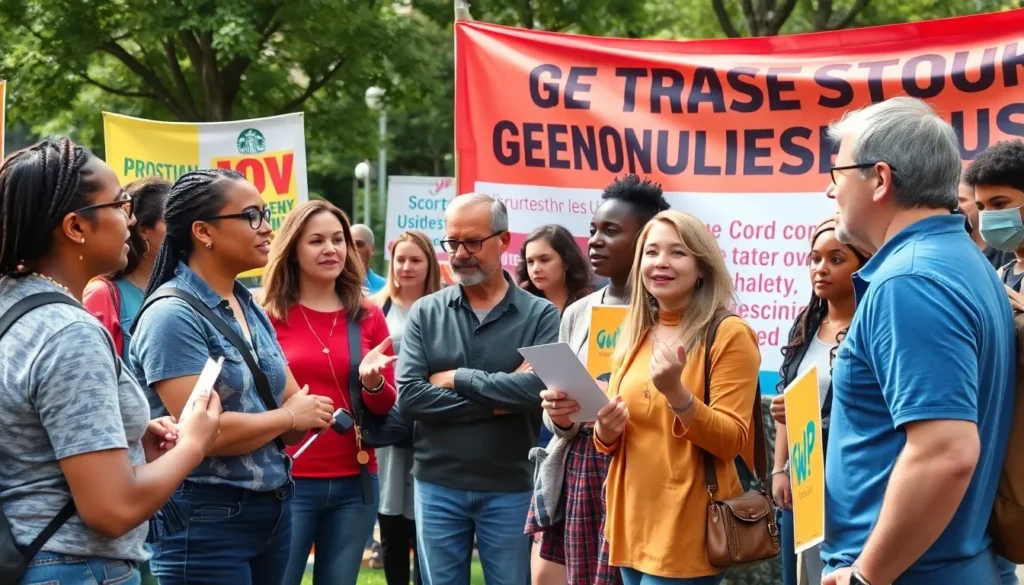
Advocacy programs take various forms, each tailored to address specific issues or populations. Understanding these types facilitates more effective action and outreach.
Grassroots Advocacy
Grassroots advocacy seeks to mobilize community members to influence change. It focuses on local engagement, empowering individuals to articulate their needs. Organizations often use community events, petitions, and social media to build momentum. This type of advocacy ensures that ordinary citizens can participate in the decision-making process. Examples include town hall meetings and direct actions that amplify voices often overlooked.
Professional Advocacy
Professional advocacy involves experts working within established organizations to impact policy. Advocates, including lobbyists and cause-focused organizations, leverage their experience to engage with lawmakers. Resources such as research, data, and detailed reports support their efforts. This approach often relies on strategic communications to shape public policy. Organizations like the American Civil Liberties Union emphasize legal expertise to defend rights, while others address environmental issues on a larger scale.
Benefits of Advocacy Programs
Advocacy programs offer significant advantages for society by fostering change and strengthening communities. These benefits manifest in various ways.
Empowering Communities
Communities gain strength through advocacy programs. Local engagement allows individuals to express their needs. Organizing events, petitions, and utilizing social media creates a platform for voices that often go unheard. Programs prioritize the involvement of marginalized groups, ensuring representation in decision-making processes. Advocacy training equips community members with essential skills, strengthening their ability to communicate needs effectively. Moreover, collaboration among diverse groups fosters unity, amplifying their collective impact. By empowering communities, advocacy programs encourage self-determination and resilience, enhancing overall community well-being.
Influencing Policy Change
Policy change serves as a primary goal for advocacy programs. Engaging with legislators increases the likelihood of impactful reforms. Grassroots efforts often lead to significant policy negotiations, reflecting public opinion and community needs. Experts within organizations utilize data-driven strategies to inform policymakers, presenting clear and convincing arguments. Legislative advocacy translates community issues into actionable policies, impacting people’s lives. Through strategic communications, advocacy programs shape public discourse and prioritize social justice. Successful campaigns can lead to tangible changes, such as new regulations or funding allocations. This influence highlights the essential role advocacy programs play in driving systemic change.
Challenges in Advocacy Programs
Advocacy programs face several challenges that can impede their effectiveness in driving social change.
Funding and Resources
Funding and resources often pose significant obstacles for advocacy programs. Many rely on grants, donations, and corporate sponsorships, which can fluctuate annually. Limited resources contribute to challenges in staffing and program development. Inadequate budgets lead to reduced capacity for outreach and engagement efforts. Programs might struggle to maintain momentum without consistent funding flows. Financial constraints often limit access to necessary tools and technology, which hinders program implementation. Organizations must develop sustainable funding strategies that can weather economic fluctuations to support long-term initiatives effectively.
Public Awareness and Engagement
Public awareness and engagement represent critical components of successful advocacy. Many advocacy programs struggle to capture the public’s attention in a crowded information landscape. High competition for social issues can prevent messages from reaching target audiences effectively. Additionally, high levels of misinformation complicate this challenge, as incorrect narratives can overshadow legitimate causes. Building a robust and informed community necessitates consistent outreach and education efforts. Engaging diverse populations might prove difficult without tailored messaging and culturally relevant approaches. Advocacy programs must prioritize innovative strategies to increase visibility and cultivate deeper connections with the public.
Effective Strategies for Advocacy Programs
Advocacy programs thrive on effective strategies that enhance their impact and reach. Key approaches involve building partnerships and leveraging social media.
Building Partnerships
Partnerships strengthen advocacy programs by creating synergies among organizations. Collaborating with local groups, businesses, and nonprofits maximizes resources and expands outreach. Establishing connections with stakeholders fosters a shared vision and unites efforts toward common goals. Engaging in community events facilitates networking opportunities and enhances visibility. In addition, building coalitions across diverse sectors ensures comprehensive representation and support for various causes. Organizations like the Sierra Club and Human Rights Campaign exemplify how partnerships can amplify voices and effectively drive change. Coordinated initiatives capture public attention, further solidifying community engagement and responsiveness.
Utilizing Social Media
Social media serves as a dynamic tool for advocacy programs. Platforms like Twitter, Facebook, and Instagram allow organizations to reach wider audiences quickly. Crafting compelling content engages followers and encourages sharing, thus amplifying messages. Real-time interactions create opportunities for dialogue, increasing transparency and fostering trust within communities. Campaigns that utilize hashtags capture attention and rally support around specific issues. Analyzing social media metrics enables organizations to refine strategies, targeting communications effectively. Educational posts, live videos, and infographics can inform and mobilize grassroots support, enhancing overall advocacy efforts. Using social media’s capabilities drives momentum and ensures advocacy remains relevant in today’s digital landscape.
Advocacy programs play a vital role in shaping society by empowering individuals and communities. They drive meaningful change by addressing pressing social issues and ensuring that marginalized voices are heard. Through collaboration and innovative strategies, these programs can overcome challenges and enhance their impact.
By leveraging technology and fostering partnerships, advocacy initiatives can effectively engage diverse populations and create a unified front for social justice. The ongoing commitment to advocacy not only influences policy but also cultivates a culture of activism that inspires future generations. As these programs continue to evolve, their significance in promoting equity and resilience remains undeniable.