
Navigating the world can be a challenge, especially for those with disabilities. But fear not! Understanding legal rights can feel like finding a hidden treasure map that leads to a more accessible life. From the Americans with Disabilities Act to various state laws, there’s a whole arsenal of rights designed to level the playing field.
Imagine a world where everyone has the same opportunities to thrive. It’s not just a dream; it’s a legal right! Knowing these rights isn’t just empowering; it’s essential. So buckle up as we dive into the ins and outs of legal protections for disabled individuals. This journey promises to be informative with a sprinkle of humor—because who said legal talk had to be boring?
Overview of Legal Rights for Disabled
Legal rights for individuals with disabilities focus on ensuring equal opportunities and protections across various sectors. The Americans with Disabilities Act (ADA) serves as a cornerstone for these rights, prohibiting discrimination based on disability in employment, public accommodations, transportation, and more.
Various federal laws contribute to safeguarding these rights. The Rehabilitation Act of 1973 mandates that federal agencies and organizations receiving federal funding provide accessible services and programs. Section 504 of this act specifically ensures that individuals with disabilities receive reasonable accommodations in educational settings.
State laws also enhance protections. Many states introduce their own disability rights legislation that often extends beyond federal provisions. For instance, California’s Fair Employment and Housing Act offers additional safeguards against discrimination in housing and employment.
Access to education represents another critical aspect of these rights. The Individuals with Disabilities Education Act (IDEA) guarantees that eligible children receive free and appropriate public education tailored to their unique needs. Schools must create Individualized Education Programs (IEPs) that outline specific educational goals and necessary accommodations.
Healthcare rights play a significant role as well. The Affordable Care Act prohibits insurance discrimination based on disability and mandates coverage for essential health benefits. This ensures that individuals with disabilities receive the medical care they require without facing denial based on their condition.
Understanding these legal rights empowers individuals with disabilities to advocate for themselves. They can seek accommodations, pursue employment opportunities, and access essential services. Knowledge of these rights fosters a more inclusive society, allowing individuals with disabilities to participate fully and equitably in all aspects of life.
Importance of Legal Rights for Disabled
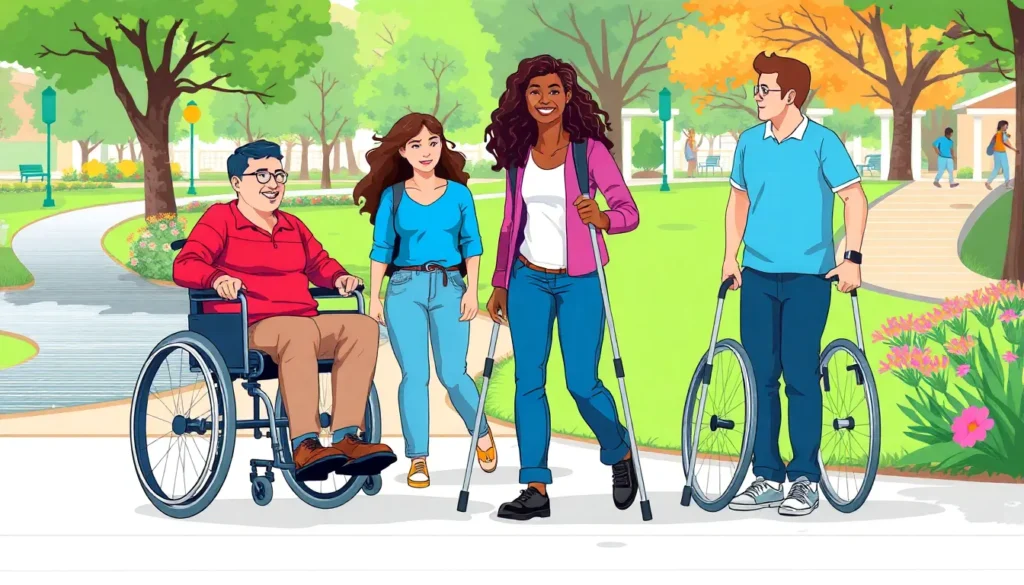
Understanding the legal rights of disabled individuals promotes both empowerment and equality. Legal protections enhance access and ensure fair treatment in society.
Enhancing Accessibility
Accessibility stands as a fundamental right for individuals with disabilities. The Americans with Disabilities Act mandates compliance from public entities and private businesses. These laws require physical spaces, services, and digital platforms to be accessible. Implementing modifications like ramps and accessible restrooms illustrates adherence to these requirements. Compliance opens doors for participation in community activities, education, and employment. Examples of state laws further strengthen these initiatives, providing robust frameworks for advocacy.
Promoting Equality
Equality constitutes a pillar of the legal rights framework for disabled individuals. Laws prohibit discrimination across all sectors, ensuring everyone receives equal opportunities. The Rehabilitation Act specifically addresses discrimination in federally funded programs. Employment laws require reasonable accommodations, enabling disabled workers to thrive in various job settings. Fair housing laws promote inclusive living environments for individuals with disabilities. Advocating for equal treatment fosters an inclusive culture, enriching society through diversity and representation.
Key Legislation Supporting Legal Rights for Disabled
Numerous legal protections exist to support individuals with disabilities, ensuring equal access and opportunities in various aspects of life. Key legislation plays a vital role in fostering inclusivity and combating discrimination.
Americans with Disabilities Act (ADA)
The ADA stands as a landmark piece of legislation, prohibiting discrimination against individuals with disabilities in multiple areas. Employment, public accommodations, transportation, and telecommunication sectors fall under its jurisdiction. The law requires reasonable accommodations in the workplace, aiding individuals to perform essential job functions. Accessibility mandates apply to both public entities and private businesses, promoting a compliant environment. Notably, the ADA covers physical and digital spaces, ensuring equal access for everyone.
Rehabilitation Act of 1973
The Rehabilitation Act of 1973 represents another critical advancement in disability rights. This legislation requires federally funded programs and activities to provide accessible services for individuals with disabilities. Section 504 stipulates that no qualified individual with a disability can be excluded from participation in programs receiving federal assistance. Educational settings must ensure reasonable accommodations and modifications to support students’ needs. Additionally, the Act promotes the integration and full participation of individuals with disabilities in society, aligning with broader equality efforts.
Challenges in Enforcing Legal Rights for Disabled
Individuals with disabilities encounter various challenges when enforcing their legal rights. These obstacles can hinder access to essential services and equal opportunities.
Barriers to Accessibility
Physical barriers significantly impact the ability of individuals with disabilities to access public spaces. Ramps often lack proper maintenance, and elevators in buildings may be non-functional. Digital spaces present additional challenges; websites frequently fail to comply with accessibility standards. Many organizations neglect to provide alternative text for images and proper keyboard navigation. Limited awareness among businesses about ADA compliance adds to the problem. Addressing these accessibility barriers is crucial for creating an inclusive society.
Discrimination and Stigmatization
Discrimination persists as a major hurdle for individuals with disabilities. Many face biases in hiring practices and workplace environments, which can discourage them from seeking employment. Stigmatization can lead to negative stereotypes, further complicating the pursuit of justice. Courts may not always favor individuals with disabilities, deterring them from filing complaints. Social attitudes often create an additional layer of difficulty. Combating discrimination requires collective effort and robust enforcement of existing laws to protect the rights of these individuals.
Current Trends and Future Directions
Legislation for individuals with disabilities continuously evolves, reflecting broader societal changes. Recent trends show an increased emphasis on digital accessibility. Organizations now seek compliance not only with the ADA but also with guidelines from the Web Content Accessibility Guidelines (WCAG). These efforts aim to ensure that online content is accessible to everyone, including those with visual and auditory impairments.
Technological advancements play a critical role in enhancing accessibility. Innovations like speech recognition software and assistive technologies significantly improve interactions for users with disabilities. These tools help overcome physical barriers and create inclusive environments in both workplaces and educational settings.
Social attitudes are another focus area. Public awareness campaigns highlight the importance of recognizing the rights of individuals with disabilities. Many communities now advocate for universal design principles, promoting environments that prioritize accessibility from the outset. Acceptance of diversity and inclusion is growing, paving the way for increased support and understanding.
Moving forward, further legislative actions are expected. Strategies that emphasize intersectionality are likely to emerge, addressing the unique challenges faced by individuals who belong to multiple marginalized groups. Initiatives promoting mental health support and accommodations for cognitive disabilities gain traction.
The future may also witness greater collaboration among stakeholders. Nonprofit organizations, government agencies, and private sectors are more frequently working together to ensure compliance and foster inclusive practices. This cooperative approach enhances advocacy efforts, thus amplifying the voices of individuals with disabilities.
Data collection efforts will likely improve, providing insights into the experiences of people with disabilities. Evidence-based strategies can drive policy changes, ensuring rights and resources align with current needs. Thus, the focus remains on creating a society where accessibility and equality are not just goals but integral parts of everyday life.
Understanding legal rights for individuals with disabilities is crucial for fostering a more inclusive society. These rights not only empower individuals but also promote equality across various sectors. The ongoing challenges in enforcing these rights highlight the need for collective action and advocacy.
As society continues to evolve, so do the laws and attitudes surrounding disability rights. The emphasis on accessibility and inclusion will shape future legislation and practices. By recognizing and supporting these rights, communities can work towards a world where everyone has the opportunity to participate fully and equally.